
If you’ve been thinking about how to sell house as is Chicago, you’re not alone, and you’re probably asking the right questions at the right time. More Chicago homeowners are skipping the renovation treadmill and going straight to a sale, and for good reason. The traditional route of fixing, staging, and listing can drain both your time and your bank account before you ever see a single offer. There’s a smarter path, and knowing how to walk it makes all the difference.
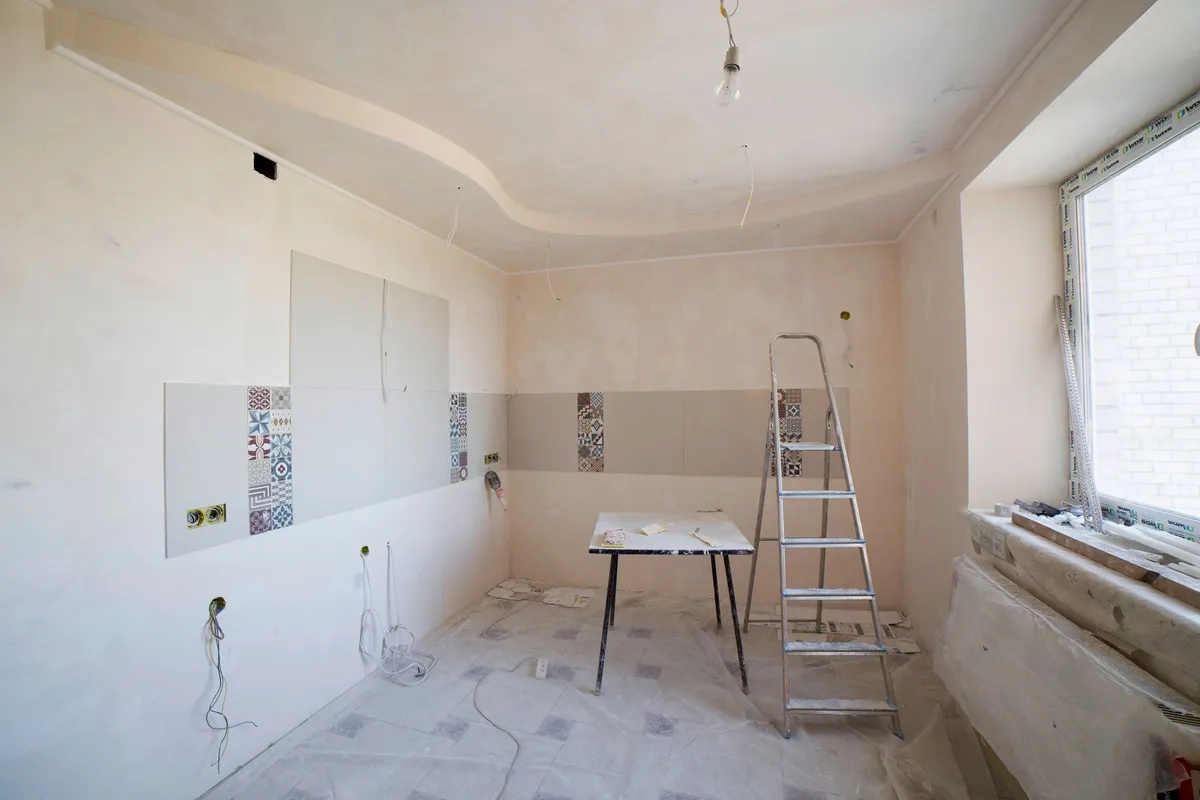
What “As-Is” Actually Means (And What It Doesn’t)
Here’s where a lot of sellers get tripped up. Selling as-is doesn’t mean you’re hiding problems or pulling a fast one on anyone. It simply means you’re selling the property in its current condition, no repairs, no upgrades, no cosmetic touch-ups before closing. The buyer takes it exactly as they find it.
What it doesn’t mean is that you’re locked into a lowball offer with no room to negotiate. Many sellers assume that going as-is automatically means getting pennies on the dollar. That’s not always true. The right buyer, particularly a cash buyer who buys properties regularly in Chicago, already knows how to price a home that needs work. They’re not shocked by a leaky roof or outdated kitchen. It’s built into their model.
The key is understanding who your buyer is. A retail buyer using a mortgage may still request repairs after inspection, even on an as-is listing. A direct cash buyer, on the other hand, typically skips the inspection contingency altogether. That distinction matters enormously when you’re trying to close without surprises.
The Repairs You’re Tempted to Make, and Why You Might Want to Skip Them
Most homeowners who consider selling without repairs go through the same mental checklist: the bathroom needs new tile, the basement has some water damage, the HVAC is aging. Then they start getting contractor quotes and quickly realize they’re looking at $30,000 or more in work, work that may not even return full value at sale.
Chicago’s housing market is competitive in certain neighborhoods and sluggish in others. A renovated bungalow in Logan Square sells differently than one in Roseland. Spending money on improvements doesn’t guarantee you’ll recoup them, especially if the neighborhood’s comparable sales don’t support a higher price point.
Before you pick up a hammer or call a contractor, get a cash offer first. You might be surprised at what your home is worth in its current state. Many sellers who’ve gone through this process later said they wished they’d skipped the repair phase entirely, the time saved and stress avoided was worth more than the marginal price difference they might have gained.
If your property has serious structural issues or deferred maintenance that’s piled up over years, take a look at what options exist for selling a Chicago house that needs repairsit’s more straightforward than most people expect.

Timing, Paperwork, and the Chicago-Specific Details That Catch People Off Guard
Illinois has its own disclosure requirements, and Chicago adds another layer with city-specific regulations. Even when selling as-is, you’re still required to disclose known material defects. That’s not optional. Sellers who think as-is means “no disclosures” can find themselves in legal trouble down the road.
The good news is that cash buyers who operate locally, like the team at Sell Home Fast Chicagoalready know the city’s requirements inside and out. They handle the paperwork, work with a title company, and can often close in a matter of days rather than the 45-to-60-day window you’d wait through with a traditional sale.
Timing also matters more than people realize. If you’re dealing with a situation like an inherited property, a pending foreclosure, or a divorce, the clock is often working against you. Every month a vacant or distressed property sits, you’re paying taxes, insurance, and potentially utilities on a home that isn’t generating any value. Moving quickly isn’t just convenient, it’s often financially smarter.
For those dealing with an estate, the process of selling an inherited house in Chicago comes with its own set of considerations, but the as-is route tends to be the most practical option in those situations.
Getting the Most Out of an As-Is Sale Without Leaving Money on the Table
The biggest mistake sellers make is accepting the first offer that comes in without understanding what a fair price actually looks like. Even in an as-is transaction, you have leverage, especially if your property is in a desirable neighborhood, has good bones, or sits on a larger lot.
Do your homework before you agree to anything. Look at recent sales in your immediate area. Understand what similar homes in similar condition have sold for. A reputable cash buyer will walk you through their offer and explain how they arrived at the number. If someone can’t or won’t explain their pricing, that’s a red flag.
You should also be clear on what’s included in the sale. Appliances, fixtures, personal property, all of this should be spelled out. As-is doesn’t mean as-assumed. A clean, transparent agreement protects both sides.
One more thing worth knowing: you don’t have to move out immediately after closing. Some buyers will work with you on a flexible timeline, letting you stay in the home for a short period after the sale wraps up. That kind of flexibility can make an already straightforward process even easier to manage on your end.
Selling your Chicago home without renovations or a drawn-out listing process is entirely realistic. You just need the right information and the right buyer, and those two things together make the whole experience far less stressful than most people expect going in.
Frequently Asked Questions
Do I still have to disclose problems with my Chicago home even if I’m selling it without making repairs?
Yes, Illinois law requires you to disclose known material defects, and Chicago adds its own layer of city-specific regulations on top of that. Thinking that selling without repairs means you can skip disclosures is a mistake that can land you in legal trouble after the sale closes. Cash buyers who work locally already know these requirements and handle the paperwork as part of the process.
Will a buyer using a mortgage treat an as-is sale the same way a cash buyer does?
Not at all, a retail buyer using a mortgage can still request repairs after the inspection, even if your listing clearly states you’re selling without making any. A direct cash buyer typically skips the inspection contingency altogether, which removes that back-and-forth from the equation. That distinction is one of the biggest practical differences between the two types of buyers.
Is it worth spending $30,000 on repairs before listing my Chicago home, or should I just get a cash offer first?
The article makes a straightforward case for getting a cash offer before you call a contractor, because renovation costs don’t always come back to you at sale, especially in neighborhoods where comparable sales don’t support a higher price point. A bungalow in Roseland and one in Logan Square are going to sell very differently, so what makes financial sense in one area may not in another. Many sellers who went through the repair process said the time and stress they lost wasn’t worth the marginal price difference they gained.
How fast can an as-is sale actually close in Chicago compared to a traditional listing?
With a cash buyer, closing can happen in a matter of days rather than the 45-to-60-day window that’s typical with a traditional sale. That speed matters most when you’re dealing with a situation like a pending foreclosure, an inherited property, or a divorce, circumstances where every extra month costs you in taxes, insurance, and utilities on a home that isn’t generating any income. Moving quickly in those cases isn’t just convenient, it’s often the financially smarter move.
Do I have to move out of my Chicago home immediately once the sale closes?
Not necessarily, some cash buyers will work with you on a flexible timeline that lets you stay in the home for a short period after closing. This is worth asking about upfront and getting spelled out clearly in the agreement, along with details about what’s included in the sale, like appliances and fixtures. A clean, transparent agreement on those points protects you and avoids confusion on either side.
🎧 Listen to this as a podcast
Also on Apple Podcasts, Spotify, and Amazon Music.