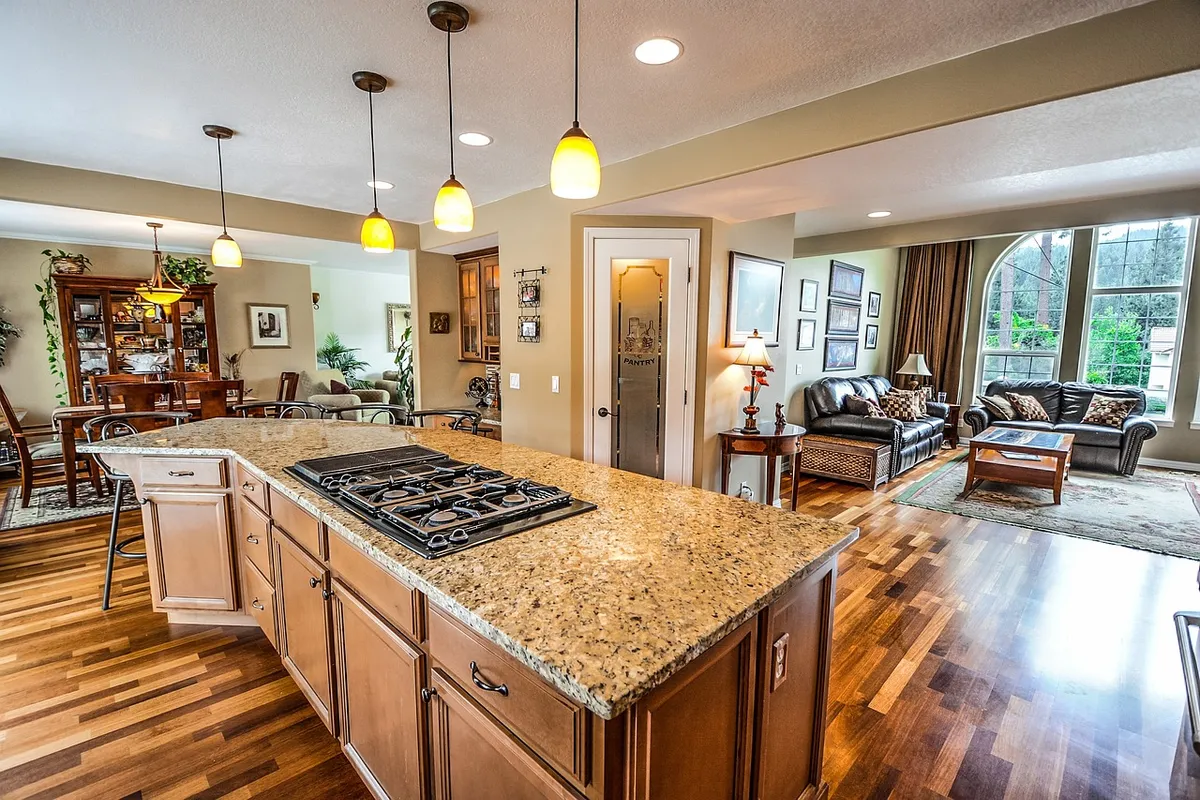
Most sellers lose time and money on the same preventable mistakes. They overprice, underprepare, or spend weeks on renovations that return far less than expected. If your goal is to move fast, the preparation strategy looks different from the traditional 90-day listing approach. It requires triage, not transformation.
Decide What Actually Needs to Be Fixed
Not every repair earns its cost back. A new roof on a dated house in a modest price range might cost $14,000 and add $8,000 in buyer perceived value. That is a loss before you even start. Sell Home Chicago advises clients to separate repairs into three buckets: deal-killers, cosmetic issues, and everything else. Deal-killers are items that will fail a home inspection and give buyers grounds to renegotiate or walk. Think active water intrusion, faulty electrical panels, HVAC systems that don’t run. Those get addressed. Cosmetic issues, like scuffed baseboards or dated light fixtures, are cheap and fast. Everything else, meaning the kitchen remodel you’ve been putting off for a decade, is probably not worth touching before a quick sale.
A $4 can of spackling compound and an afternoon patching nail holes does more for a buyer’s first impression than a $6,000 bathroom update. That is not an exaggeration. Buyers form opinions in under 90 seconds of walking through a door.
Declutter and Depersonalize More Aggressively Than Feels Comfortable
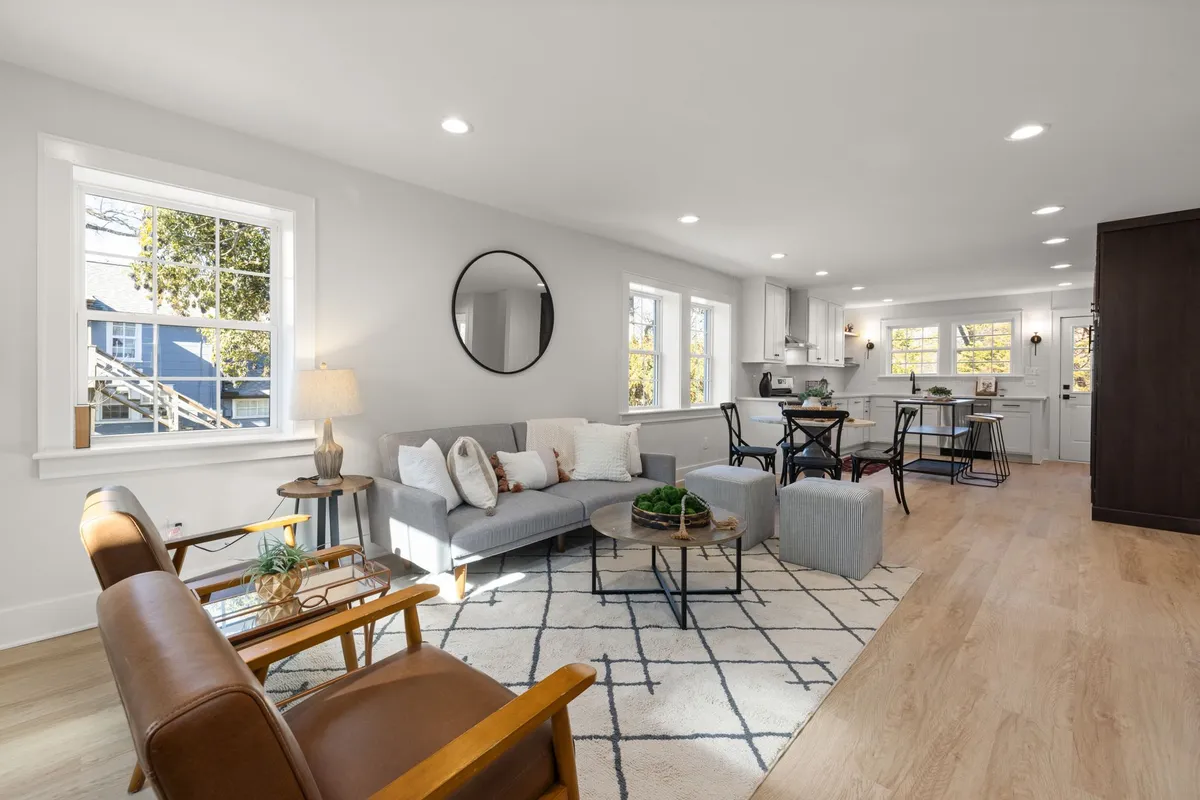
This step is free, and sellers consistently underdo it. Remove at least 40 percent of what is in each room. That number sounds extreme until you see the before-and-after photos. Family portraits, religious items, political memorabilia, sports team gear, collections of any kind, all of it should come down. Buyers need to mentally place themselves in the space. Anything that reminds them it belongs to someone else interrupts that process.
Closets matter more than most people realize. Buyers open them. A stuffed closet signals a house with inadequate storage, even if the square footage is generous. Rent a 10×10 storage unit for $80-$120 a month and move the overflow there. It is one of the highest-return investments a seller can make.
In Chicago, IL, where many homes are older two-flats and bungalows with smaller rooms, this step is especially impactful. A cramped room with too much furniture reads as small on camera and in person. The same room with two-thirds of the furniture removed reads as cozy and manageable.
Presentation Details That Move the Needle on Offers
Curb appeal is not optional. It sets the price anchor before a buyer steps inside. Power-wash the front walk. Replace the front door hardware if it is tarnished. A new welcome mat costs $25. Fresh mulch in the front beds runs $40-$80 and looks like a landscaping overhaul. These are not big-ticket items, but skipping them signals neglect.
Inside, light is everything. Replace every burned-out bulb. Go to 2700K warm white LED bulbs throughout for a consistent, inviting tone. Open every blind and curtain for showings. Dark rooms photograph poorly and feel smaller. If a room has a north-facing window and stays dim, add a floor lamp in the corner.
Professional photography is non-negotiable for a listed property. Listings with smartphone photos sell slower and for less. A real estate photographer in the Chicago, IL market typically charges $150-$300 for a standard shoot. That fee recovers itself many times over in buyer traffic and offer quality. Sell Home Chicago sees this constantly: sellers who cut corners on photos sit on the market longer, then price-reduce, and end up netting less than the photography would have cost.
For sellers in areas like Lincoln Park, where buyers are often comparing multiple well-staged options at similar price points, presentation is what separates a fast close from a slow grind.
Know When Preparation Is the Wrong Strategy
Some properties, and some situations, don’t call for the preparation playbook at all. If the house needs significant structural work, if probate is involved, if there are tenants in place, or if the timeline is under 30 days, a traditional listing may not be the right path. Selling your house fast in Chicago without the wait sometimes means bypassing the listing process entirely and working directly with a cash buyer who purchases in as-is condition.
That route eliminates the preparation cost, the staging effort, the open houses, and the 30-to-60-day escrow window. It is not the right fit for every seller. But for someone facing relocation, financial pressure, or a property that would require $40,000 in updates to compete on the open market, selling as-is to a cash buyer in Chicago can net more in real terms once you account for carrying costs, agent commissions, and repair spend.
The decision comes down to a simple comparison: what does the prepared-and-listed path actually net after all costs, versus what a cash offer puts in your pocket in two weeks. Run both numbers before committing to either direction.
Sell Home Chicago works with homeowners across Chicago, IL who are weighing exactly that decision, and the team can be reached directly at (872) 278-5043. No pressure, no obligation, just a straight answer about what your options look like.
Frequently Asked Questions
What are the most important repairs to focus on before selling my home?
Prioritize repairs by categorizing them into deal-killers, cosmetic issues, and everything else. Deal-killers, like faulty HVAC systems or active water intrusion, must be addressed as they can fail an inspection. Cosmetic issues can be handled quickly and cheaply, while major renovations, such as a kitchen remodel, may not be worth the investment before a quick sale.
How much should I expect to spend on preparation for a quick sale?
Preparation costs can vary, but simple updates like fresh mulch for $40-$80 or replacing tarnished door hardware can make a significant impact. Professional photography typically costs between $150-$300, which is a worthwhile investment since listings with poor photos tend to sell slower and for less. Overall, focus on low-cost improvements that enhance curb appeal and interior presentation.
What common mistakes should I avoid when preparing my home for sale?
A major mistake is overpricing your home or underpreparing it. Also, many sellers fail to declutter adequately; removing at least 40 percent of items in each room is key for buyers to envision themselves in the space. Neglecting small presentation details, like lighting and curb appeal, can signal neglect and hurt your selling potential.
When is it better to sell my home as-is instead of preparing it?
If your property requires significant structural repairs, involves probate, has tenants, or if you’re under a tight timeline of 30 days, it may be better to sell as-is. This approach can save on preparation costs and time, potentially netting you more after considering carrying costs and commissions. Always run the numbers to compare the potential outcomes of both strategies.